
Winter Advice – Boiler FAQs
Heating and hot water account for around 80% your energy bill, so it’s a good idea to keep track of your usage.
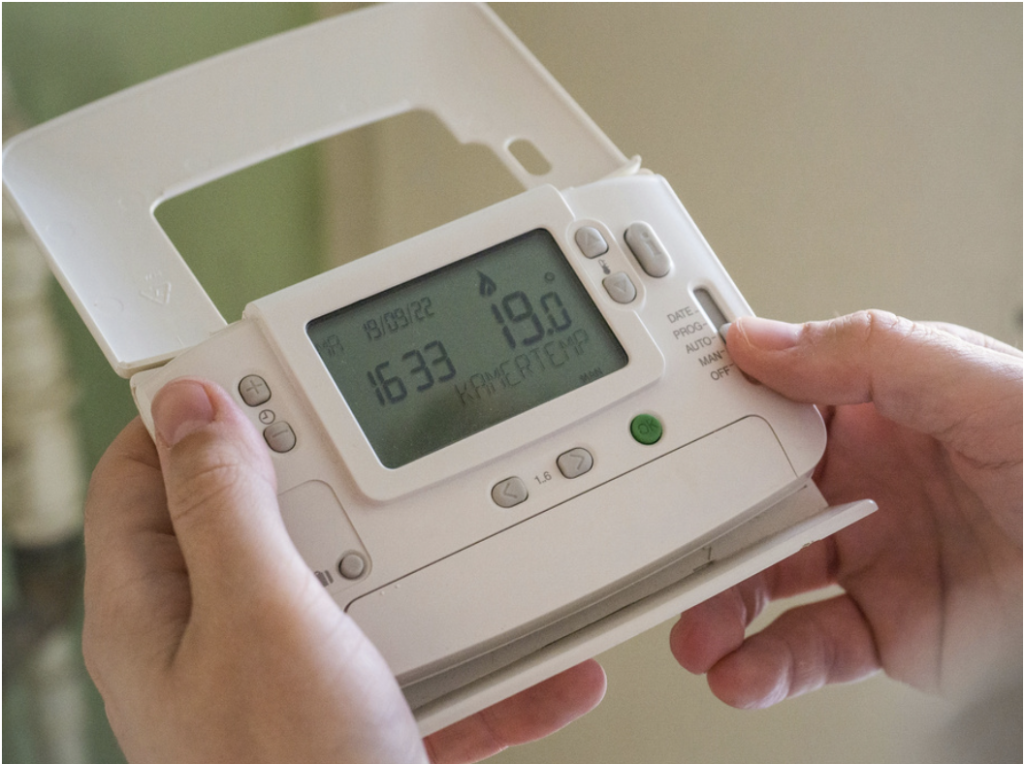
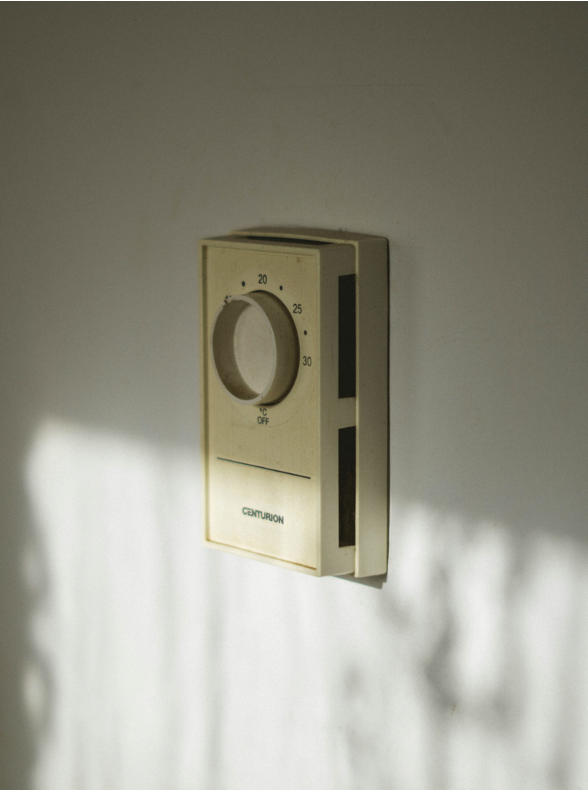
We’ve got plenty of handy tips in this section for you to check off. The weather changes daily and so should the temperature on your thermostat setting. We recommend keeping the range between 18 and 21°C but you can adjust this as needed day to day.
- Turning your thermostat down by 1°C, could save up to 10% (£145~) on your energy bill. And, if you have smart thermostats, you can control your heating from your smartphone or tablet in smaller increments as needed. Try not to use boost functions or keep turning it on and off – a lot of energy is needed to bring a boiler up to temperature from cold, than having it on low and consistently intermittent.
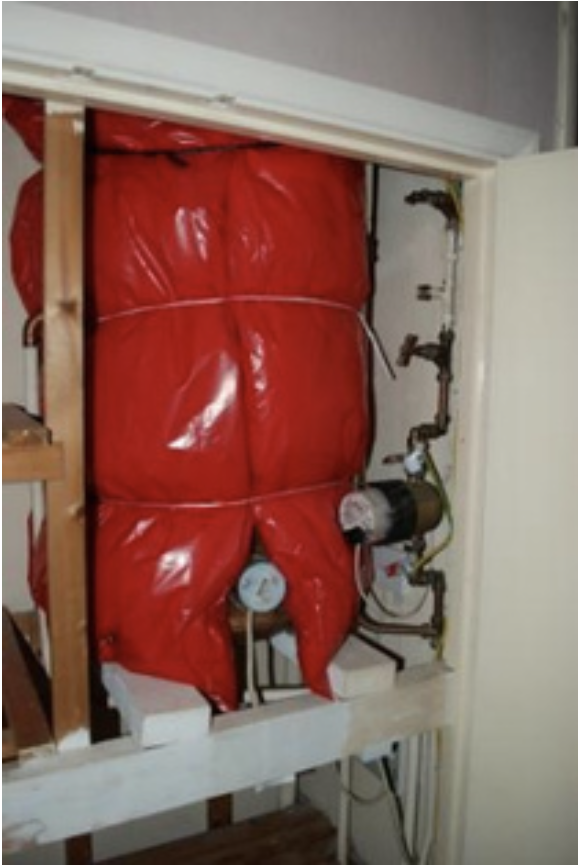
- Insulate hot water tanks – You could save: £50-70. To reduce heat loss and therefore keep your water hot for longer, add a British Standard Jacket 80mm thick to your hot water cylinder (older cylinders may only have 25mm thick foam insulation from when it was originally fitted). Exposed hot water pipes can also be insulated using a foam tube that covers the pipes between your hot water cylinder and boiler. By spending £16 to top this up with an 80mm insulation jacket, a typical home can save £70 each year on energy bills. You can buy these jackets from DIY shops and fit them yourself.
- An immersion heater only needs to be on for an hour for you to have enough hot water for the whole day.
We caution overly relying on small space heaters – it is not always the best answer to heat your body, not the whole house. Here is our guidance:
-
- On average heating the whole home costs between £1.5-4 a day which can rack up quickly over winter but by adjusting your habits you can keep the heat in as long as possible.
-
- Portable heaters are best for short-term use, not as a replacement for your whole house heating system. If you want to heat a single room, it’s usually cheaper to use your central heating and adjust the thermostat and thermostatic radiator valves (TRVs).
-
- The best solution is heating the person alongside tactically using the central heating, this is a vastly more cost-effective way to stay warm: particularly for people with mobility issues and those who spend a lot of time in one spot.
-
- Set your boiler’s flow temperature between 55°C and 65°C degrees. You could save: £65. Your boiler’s flow setting controls the water temperature when it leaves your boiler. Its default setting is usually too high. Turn it down a bit and your home will feel just as warm, but you could cut your energy bills by 12% on average. If you have a combi boiler, we recommend setting your flow temperature to 50°C for heating and 60°C for hot water to save energy.
If you have a boiler and a hot water cylinder, we recommend setting the flow temperature to 65°C. Don’t set it any lower otherwise the boiler won’t be able to heat your hot water cylinder to a safe
temperature.
After reducing the flow temperature, your boiler will take longer to heat your home and your hot water (if you have a cylinder). You should set your boiler to come on earlier to give it more time to work – 30 mins earlier should do it.
To ensure you home feels warm, and the boiler is working efficiently make sure to pay attention to your radiators.
Turn down radiators (down to 2 or 3) in unused rooms to save energy. Don’t forget to also keep the doors of unused and unheated rooms closed – a cushion draught excluder can also help to block cold air from the base of the unused room’s door. Here are some ways to make your radiators more energy efficient:
-
- Move any objects obstructing your radiators such as sofas and curtains as radiators need space to heat your rooms.
-
- Clean your radiators by removing dust build-up using a vacuum and radiator duster (~£5). Dust that builds up between the fins of radiators makes them less efficient.
-
- Don’t forget to bleed your radiators as trapped air also reduces their efficiency.
-
- If there are cold spots on your radiators, it’s a sign they need bleeding.
-
- Use radiator reflector panels behind your radiators (most effective on radiators located on external walls) so the wall doesn’t absorb the heat and warmth is reflected back into the room.
-
- Smart radiators: If you want to spend a bit more, get smart radiator valves so you can control your heating room by room from your phone or tablet.
-
- If your radiators are hot at the top but cold at the bottom, the system might have sludge in it, and benefit from being professionally cleaned.
Radiator Bleeding
Bleeding a radiator is simple. All you need is a radiator bleed key (available from most DIY shops), an old towel and something to collect any water in.
- Turn your heating off for a few hours to let the radiators cool down.
- Lay out the old towel under the pipes, place a bowl or jug under the bleed valve and open the valve slowly with your radiator key. Be careful not to open it too far, a quarter or half turn is usually enough.
- As air escapes, you’ll hear a hissing sound. Once that sound stops or water begins to pour out, close the valve.
- Make sure you check the pressure of your heating system afterwards. There’s usually a pressure gauge on a pipe close to the boiler. If it’s too low, you can increase it using the filling valve/ tap connected to your boiler until the pressure is back in the ‘green’. This is usually somewhere between 1.0 and 1.5 bar. If you’re unsure, there should be instructions in your boiler’s manual.