
Winter Advice – Central Heating
Winter Preparedness – How you can keep safe and warm this winter:
- Keep an eye on the forecast and watch out for weather warnings from the Met Office to prepare for the coldest days.
- If cold weather comes, follow NHS advice to wear layers to keep warm and regularly have hot drinks. Always maintain a comfortable temperature in the home of at least 18°C. Try to check on your neighbours, especially if they could be particularly vulnerable in cold weather.
- Save the free emergency numbers to your phone – call 0800 111 999 in a gas emergency or call 105 in a power cut. Both numbers are national and offer 24-hour service.
- Double check if you are on the Priority Services Register. This is a free service that helps us identify customers who need priority support, and will make sure you receive extra help if you’re without your gas supply.
- Make sure you have your gas boiler and appliances serviced annually by a Gas Safe registered engineer. Contact the Gas Safe register on 0800 408 5500. It costs around £90 and it’s money well spent. If a boiler isn’t maintained, it can become less efficient, and a build-up of sludge can make it harder for the boiler to heat the whole house.
- Fit a carbon monoxide alarm to protect your family against this poisonous gas. Regularly test your alarm, check its expiry date and if the batteries need replacing
Draught and water proofing
Small changes can help with big savings!
Draught-proofing windows, doors and blocking cracks in floors and skirting boards can save around £80 a year on energy bills.
- A continuous draught can quickly undo all the good work of your heating – essentially wasting energy. Identifying and using draught brushes, blockers and self-adhesive strips around doors, windows and other gaps can help trap warmth in and make your energy spend go further.
- Close doors between rooms – Closing internal doors and using draught excluders reduces the amount of heat moving into colder areas of your home, such as the hall. This helps keep the heat in the rooms you use most often, making them feel more comfortable.
- You save money when not using a tumble dryer, some properties may not even have one. Drying your clothes on a washing line or clotheshorse could save you £50 a year but there is a way to do is properly to avoid excess condensation and damp. Using an airer or clothes horse should be done in a room where you can open the windows (to draw moisture out) and close the door to avoid cooling the living areas. Use trickle vents, extractor fans, and dehumidifiers when windows cannot be opened. Avoid drying clothes on radiators – this makes your boiler work harder.
- Add warmth and comfort – it might sound simple, but rugs and door draught excluders are a good way to add extra warmth and comfort to your home, especially if you’ve got gaps in floorboards.
- Choose thick or thermally lined curtains and close them at night, but don’t block your radiators with them as the heat won’t get into your room.
- If you have an open chimney, you can buy a removable and reusable chimney draught-proofer to keep your room warm when the fire is out (and the chimney is cool). Remember to remove it before using a log burner or fireplace again.
- Around a 1/3 of heat in an uninsulated home is lost through the walls. Most homes in the UK have a cavity wall which can be filled with insulation, saving you money by reducing your heating bill. Depending on the size of your home, cavity wall insulation should pay for itself within two to three years, meaning it’s a good option if you’re looking to invest in your home. You can always check if there are grants available to fund this home improvement for you – and your Green Doctor is always here to help with that process!
Appliances
During winter we are home more often and using technology every day. Ensure to switch items off standby – You could save £45. Almost all electrical appliances can be turned off at the plug without disrupting their programming.
- It’s a darker time of year but you can be more savvy with your lights. You could save: £136. Lighting makes up around 11% of a typical power bill. LEDs use 70-80% less electricity – so when it’s time to replace those bulbs, go LED. Also making sure you switch off the lights when you leave the room can save a further £7 per year.
- During winter we naturally want hot home cooked meals and may do more entertaining. Use a slow cooker or an air fryer – with a slow cooker you can cook a meal for about the same cost as powering a lightbulb.
- You can also meal prep – cook as much as possible in one go to save time and energy. Just pop the rest in the freezer ready for the week. Ovens are generally bigger than other cooking appliances, so they use more energy to heat up. This means a typical electric oven can be the most expensive cooking appliance to run for individual portions of food. However, their larger size means you can fit a lot of food in at once. This makes an oven better for batch cooking or cooking for a large group. Using your oven in these situations could be the best value for money.
- Air fryers are great for quick items or meals for 1-2 people. They also require much less heating up time, some items don’t need any. You don’t need hardly any oil for them as they can make crispy food in the way it cooks. Please ensure to never leave an air fryer unattended when on. And when not in use, switch it off and unplug it. Clean them often to remove the build up of grease and avoid fire risks.
- Check the energy rating on your appliances – A-rated are the most energy efficient. The lower the rating, the more it will cost to run. So, if you are likely to replace any appliances in the new year sales – make sure to check efficiency features.
- Remember to disinfect shower heads and bath taps regularly, you may be using more water at this time of year, but it is always good practise to flush any stagnant water to remove the risk of bacteria and Legionella. Also, nutrients including rust, sludge, scale, sediment, and algae help the bacteria thrive, so sometimes a deeper clean is needed with stronger cleaner solutions.
- Defrost your fridge freezer regularly to avoid it using more energy than it needs.
- Keep your fridge at 5°C and freezer at -18°C – no need for it to use more energy than it needs.
- And it’s always a good idea to keep track of your spending with a smart meter and spot high energy use appliances.
Are electric blankets expensive to run?
Electric blankets are extremely energy efficient as most energy rating of just 100-300 watts, which means they cost pennies to run for extended periods. The actual amount of electricity consumed and how much that costs you will ultimately depend on the blanket’s own heat settings, which usually range from 18 to 56°C, and how long it takes to reach the desired temperature.
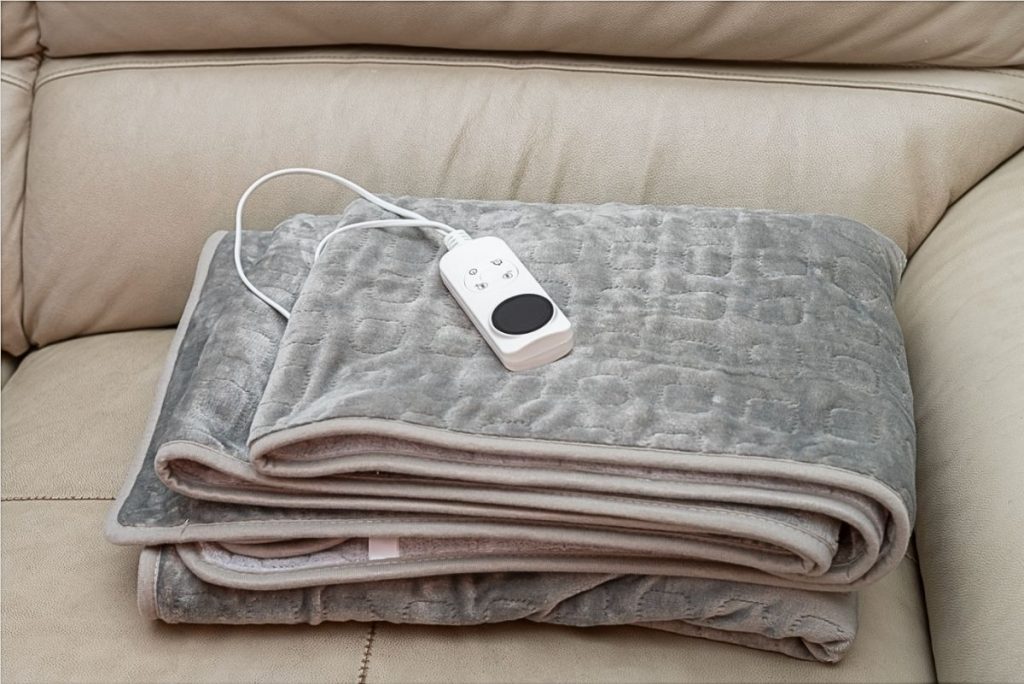
The following examples are based on the typical usage of an electric blanket – maximum settings for 8 hours at night:
- Most common – A Heat throw (0.3 kWh) – 8p for 8 hours – costing £9.60 per year (assuming
the blanket is used for 120 days during winter) - Older styles – A Heat throw (0.7 kWh) – 19p for 8 hours – costing £22.80 per year (assuming
the blanket is used for 120 days during winter) - A Heated Blanket (over or under duvet) (2.5 kWh) – 66p for 8 hours – costing £79.20 per year
(assuming the blanket is used for 120 days during winter)
*Cost based on Oct 2025 price caps (26.35p/kWh for electricity)
Please consider your energy tariff:
if you’re on a time-of-use tariff such as Economy 7, you’ll pay less to use it overnight.
Remember!
Leaving the central heating switched off for long periods risks the build-up of damp and
mould in your home, particularly if it’s an older house with poor levels of insulation. You
might also run the risk of frozen pipes by not heating your home sufficiently during the
winter months.
You must take into consideration health conditions and warming the air as a better option (using central heating) as viruses, respiratory issues, blood thickening and other problems can occur in low temperatures, and even when there are extreme temperature variations between rooms.