
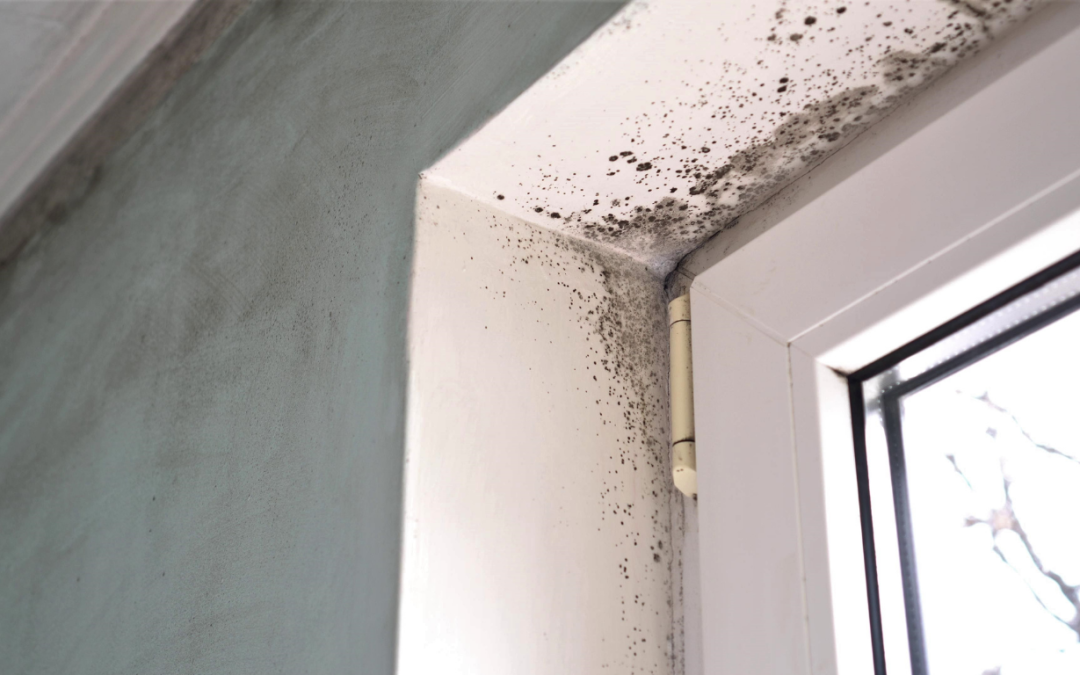
Damp and mould in the home can pose serious risks to both health and property. We want to provide essential guidance on identifying different types of damp and mould, effective removal methods, and key prevention strategies to maintain a safe and healthy living environment.
Whether you’re a tenant or homeowner, this resource also outlines responsibilities, when to seek professional help, and how to escalate issues if needed. Read on to learn how to protect your home and wellbeing.
Let’s talk pink vs black vs white/green mould
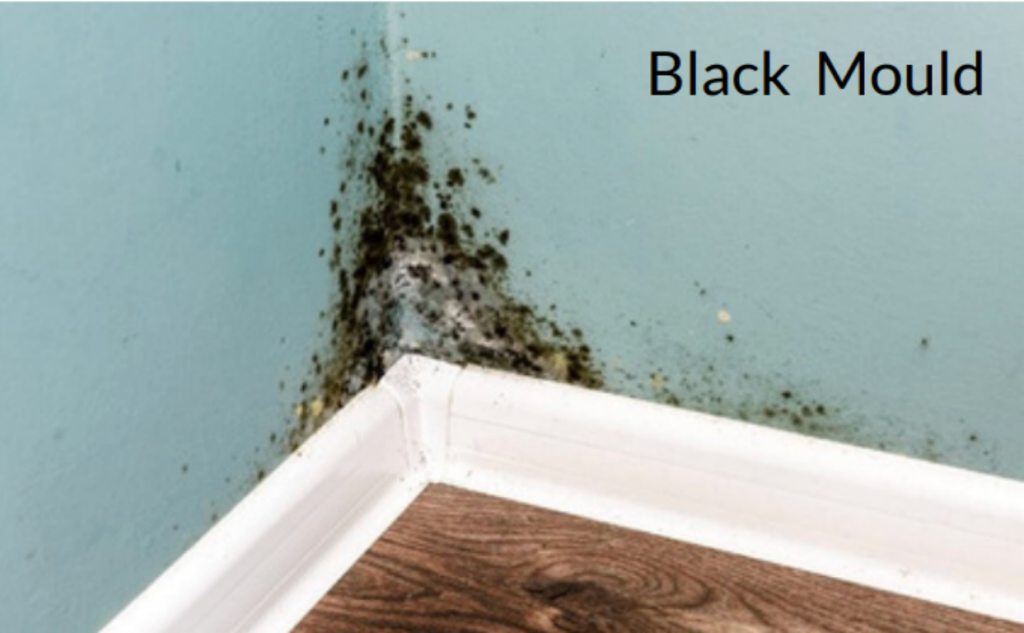
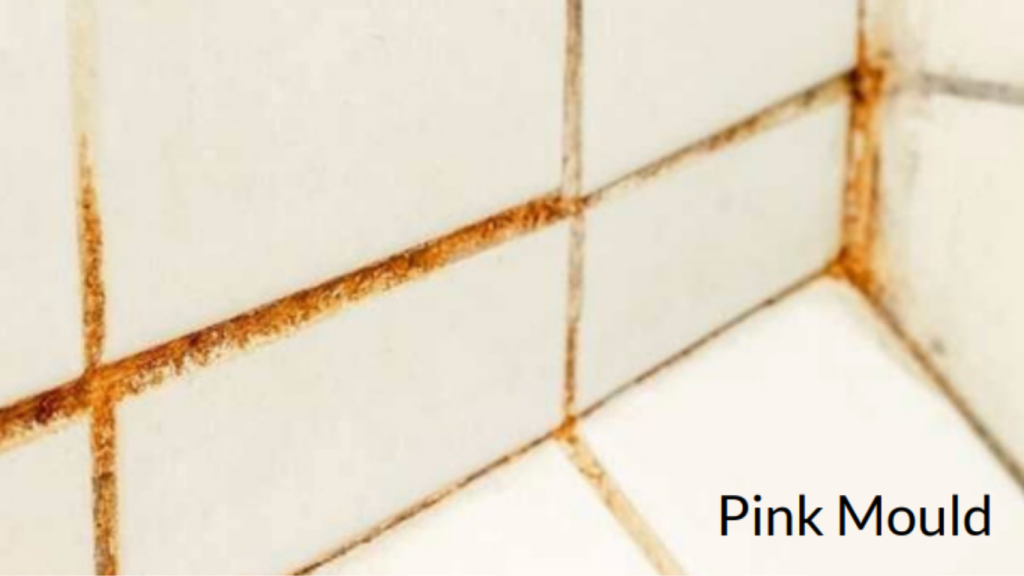
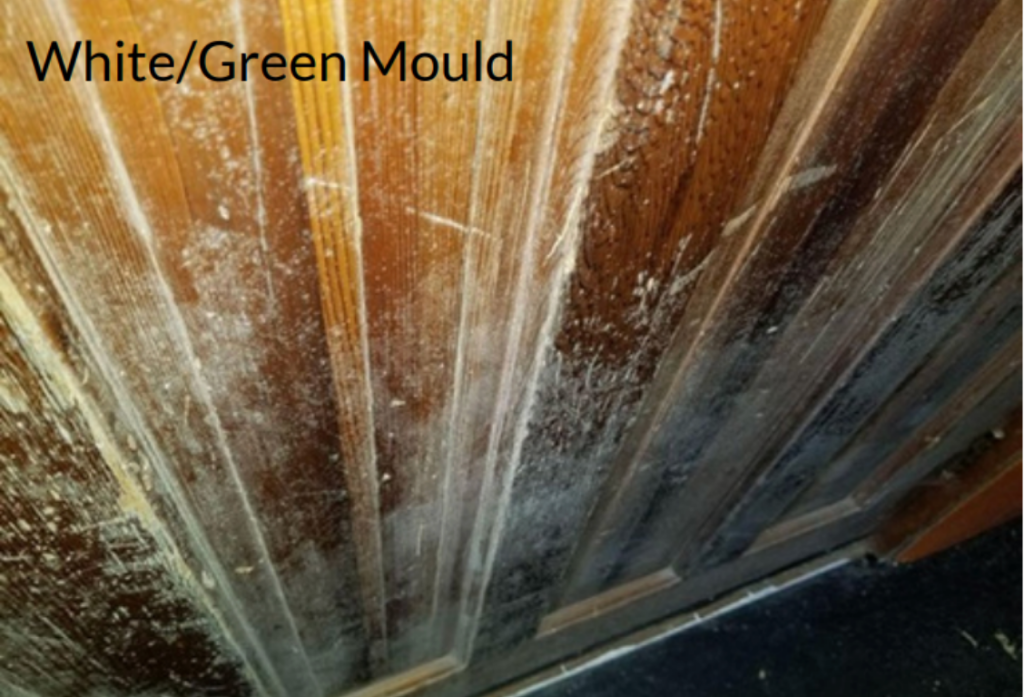
All mould has an effect on our health and should be treated and removed as quickly as possible. White mould, which can be green or grey in its cycle is said to be less severe than other moulds. It is powdery/fluffy in appearance and can be easily removed. Pink mould is a bacterium which loves wetter spaces like showers and bathrooms. If pink mould gets into open cuts, it can cause health issues which affect the stomach and other milder health concerns. Black mould is a fungus and is the most toxic and it can cause serious respiratory problems. Moulds can cause an array of issues including fatigue, wheezing, sore throat, allergies, headaches, respiratory infections or distress, dizziness, and nausea.
Types of damp
There are 3 types to be aware of:
Rising damp
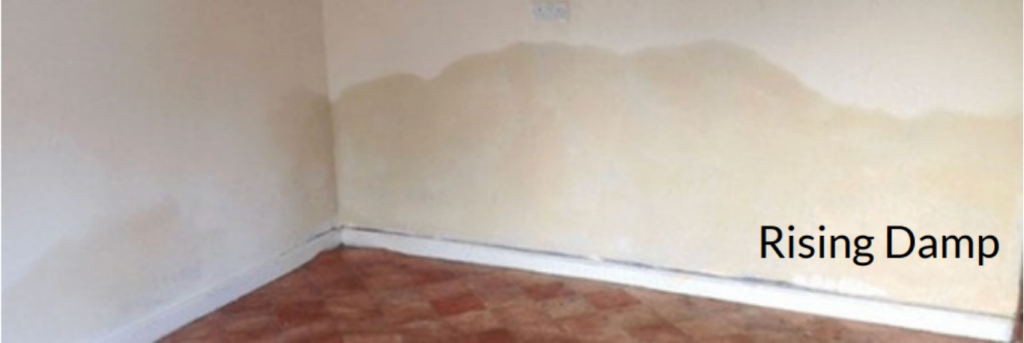
Rising damp is where moisture in the ground rise through the ground floor walls of your home. This can be due to faulty or inadequate damp proofing. You can spot rising damp by ‘tide marks’ at the edge of the area of damp caused by salt deposits, these can be up to 1 meter from the floor. The salts can also make paint appear to bubble, peel and blister wallpaper, and decay the timber.
Penetrating damp
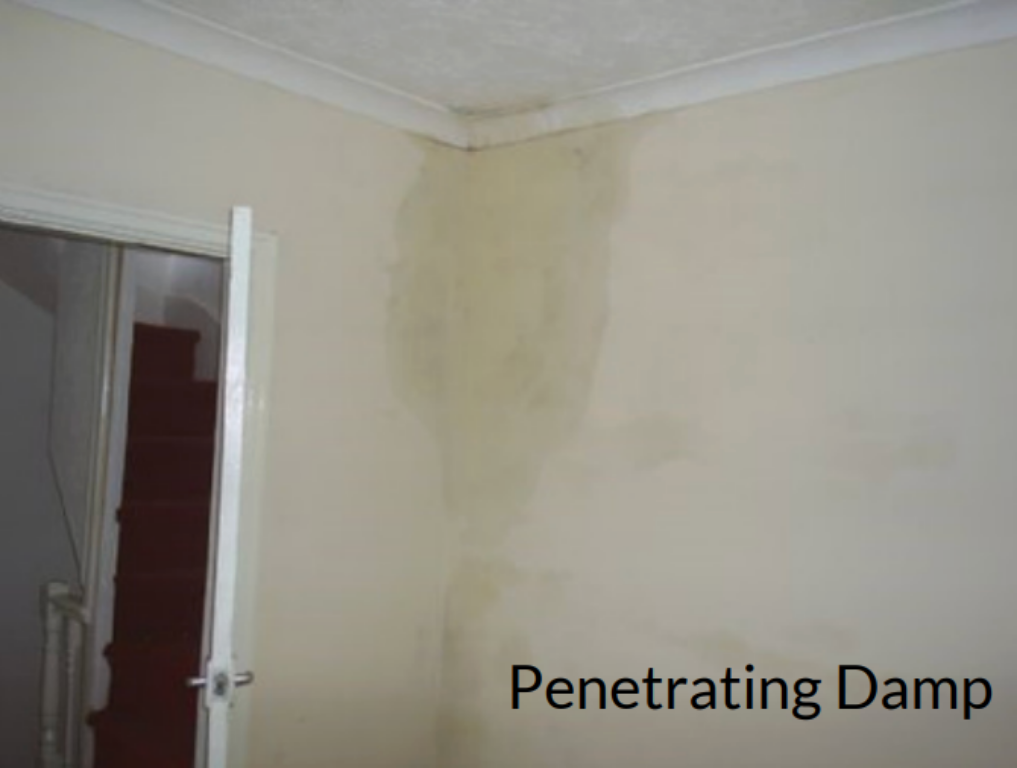
Penetrating damp is water that finds its way into the home from outside. It can occur at any level of the building and is generally higher up. Causes of penetrating damp can be overflowing gutters, missing roof tiles, leaking pipes and downspouts, poorly fitted windows/ doors, cladding/render, or even covered air bricks.
Typical signs of penetrating damp are:
- drips and puddles
- growing areas of damp on walls or
- ceilings
- damp or blotchy patches on walls
- (internal or external)
- wet and crumbly plaster
- signs of spores or mildew
Condensation
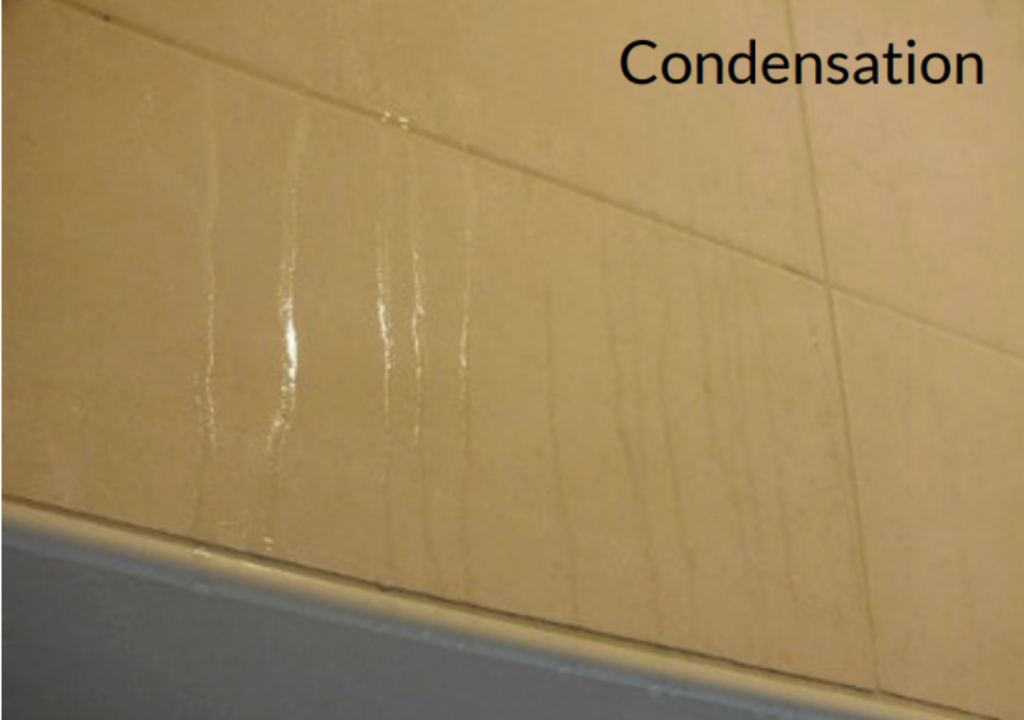
Condensation is excess water vapour in your home. Although a normal part of the daily routine, if left unventilated it will cool on cold surfaces and leave damp surfaces, a musty smell, and water streaks on walls and windows.
Removal Advice
Mould is a living organism and must be killed to remove it.
Vinegar has antifungal and antibacterial properties and can kill around 80% of mould species. Bleach will kill most moulds well, but it must penetrate all the affected area or else mould can regrow and release defensive spores therefore it is not recommended to use bleach on soft or porous surfaces such as dry wall and ceilings. Some affected areas may need fungicidal wash which penetrates deep into contaminated material and exterminates mould at the root. When you fail to kill the root mould can re-grow very quickly. The best thing to do is use a fungicide wash which creates a protective barrier to prevent mould growing again. Fungicidal wash is a strong chemical substance, and you must adhere to the manufacturer’s health and safety guidance.
When using any of the cleaning products above it is important to use gloves, protective eyewear, ventilate the property well, and if you can use a filter to remove spores from the air.
Bathrooms, kitchens, and windows – Where there are hard surfaces you can easily and safely wipe away little patches of mould and dark staining. Use a cloth moistened with diluted bleach, vinegar or detergent and throw it away afterwards.
Ceiling and Walls - Mould which has spread over large areas of walls or ceilings needs more drastic action. Everyday cleaning products like bleach or washing up liquid will not work here. You will need to wipe down affected surfaces with a fungicidal wash. Let the areas dry completely.
Clothes - You should dry clean clothes that have mould growing on them.
Carpets and Furniture – If there is a small area with mould on them it can be shampooed using the solutions above. If the mould has spread everywhere or penetrated deeply, remove the items from the home and throw away responsibly. In all cases avoid disturbing mould by brushing or vacuuming because this can increase the risk of breathing problems.
Damp and mould will affect the appearance of paint and wallpaper and may leave permanent marks. You may need to redecorate the affected areas as even after cleaning surfaces will not return to their original condition on their own. On walls wait until the mould is remove and the area is completely dry before painting with a suitable anti-mould paint.
How to prevent mould from returning?
Remove excess moisture:
- Once you have treated mould, you can help prevent it coming back by reducing condensation in your home. The only lasting cure for mould is to get rid of moisture.
- After each shower, squeegee walls and tiles and dry the shower curtain.
- Close doors to the kitchen when cooking and bathrooms when washing.
- Use lids on pans when cooking.
- Do not dry clothes indoors. If you have no access to gardens, then hang washing on an airer when you can open the window in that room and close the door to the rest of the house.
Have adequate ventilation:
- Run fans or open windows when cooking or washing. Leave them on for at least 20 minutes once you are finished.
- If you notice condensation in your bedrooms in the morning, ensure you allow the moisture to escape during or after your sleep. If possible, raise the temperature in your rooms and open trickle vents/leave windows slightly ajar, and this will allow heat to circulate.
Ensure the home is well insulated and well maintained:
- Disinfect your home regularly and ensure to clean grout, seals, and corners.
- Repair and fill any cracks in brickwork and gaps around external doors and windows.
Keep the home at a suitable temperature:
- Keep the home heated to 18 – 21 degrees Celsius to avoid condensation.
When to call in professionals
There will be times when you do not have the tools or expertise to be able to tackle the mould independently. Even if you follow the tips above, if you do not kill the root and remove the causes of mould it may grow back. We recommend seeking a professional and paying for quality services who will be able to use high grade fungicidal solutions and strong air filters. You may also need someone to visit to assess and repair the fabric and structure of the home, which would be unsafe to do on your own. Any mould which covers a large area (we recommend anything above 1 meter squared), or is deep within the walls and ceilings, or requires an expertise to fix, call a service to do it for you.
How to identify damp and mould?
Use these images as references to help you identify the issue in your home.
You may have more than one type.
Shelter UK have letter templates online which you can
download to use when contacting your local council and/or landlord. You can find them here.
The Citizens Advice Bureau can help you communicate with your landlord if you are having issues with damp and mould. Call their national advice line - 0800 144 8848
Tenant Vs Landlord responsibility
Tenants should be mindful of all the day-to-day advice listed above to reduce the risk of damp and condensation. Tenants should keep the property properly ventilated and well heated. Although it may not be directly the fault of a landlord, all materials, even water proofing, can fail over time. Landlords and housing associations are responsible for any work which makes your home unfit to live in. These include:
- Structural issues
- Penetrating damp and leaks
- Broken heating systems or boilers
- Lack of ventilation (natural or through systems) & repair to broken extractors
- Cleaning and repairing leaking roofs and gutters regularly
- Replace missing roof tiles
- Untreated rising damp
- Faulty installation of any air quality equipment they’ve provided
- Repairing cracked walls, old mortar, and split brickwork
- Replacing rotten window or door frames
After work has been conducted then keep an eye on the problem areas and alert the landlord if the damp or mould recurs. Both the source of the damp and mould and the damage caused by it should be addressed. This could mean redecorating or replacing of items is needed.
When to escalate a problem as a tenant
It is essential to raise unresolved serious damp and mould issues which put you and the people you live with at risk. If the landlord or housing association is not dealing with the issues outlined above, you may need to take the matter further. It is also acceptable to raise an issue if your report of an issue has been ignored, or the repairs and resolutions are not being dealt with in a timely manner.
Collect evidence of the damp and mould through photos or videos, include any areas you think may be affected. Take photos again if there are changes over time such as the issue is getting worse. Include a photo of your own habits to show you are doing all the tasks you are responsible for. Keep written evidence of your correspondences.
You can use your evidence to escalate an issue:
- Contact your local council who may have an environmental health or private renting standards team who can investigate disrepair and force your landlord to carry out any necessary work through a legal notice.
- You need to raise a complaint to the Housing Ombudsman if you’re renting from a council or housing association and need your case investigated.
- You may also consider taking your landlord to court. A court can order your landlord to do work and pay you compensation.
If a landlord has not resolved the damp and mould and it is their responsibility or fault, you may ask for replacement/compensation for damage to your belongings or a rent reduction if you are unable to use your home properly. A court will take financial loss you’ve suffered and effects on your health seriously, provide as much evidence as you can for them to consider your case.