
Our team has compiled a list of dos and don’ts to help our beneficiaries tackle their energy bills and create safe homes this summer.
Get energy help at your fingertips. Even the smallest changes can add up to make a big difference.
Get in control of your home energy habits!
Changing habits in the home to become more energy efficient can save up to 31% across the year on your annual bill. All the small tips add up!
Energy Bills
Summer can be a perfect time for making energy bills more manageable and setting ourselves up for a
positive winter. The cost of energy will be more affordable as the price caps will be lower reflecting less demand on
energy supplies across the UK, so a few months of better rates allow us to save our money. During summer direct debit payments might be higher than your usage BUT if you can spare it then all the extra credit will accumulate on the account.
This means in winter when we use energy more, and bills are higher, the credit on the account can pay off any surplus bill if you use more energy than is covered by your direct debit - this swing between having & using credit on the account is there to help you manage a fixed monthly payment that won’t hike up once winter hits.
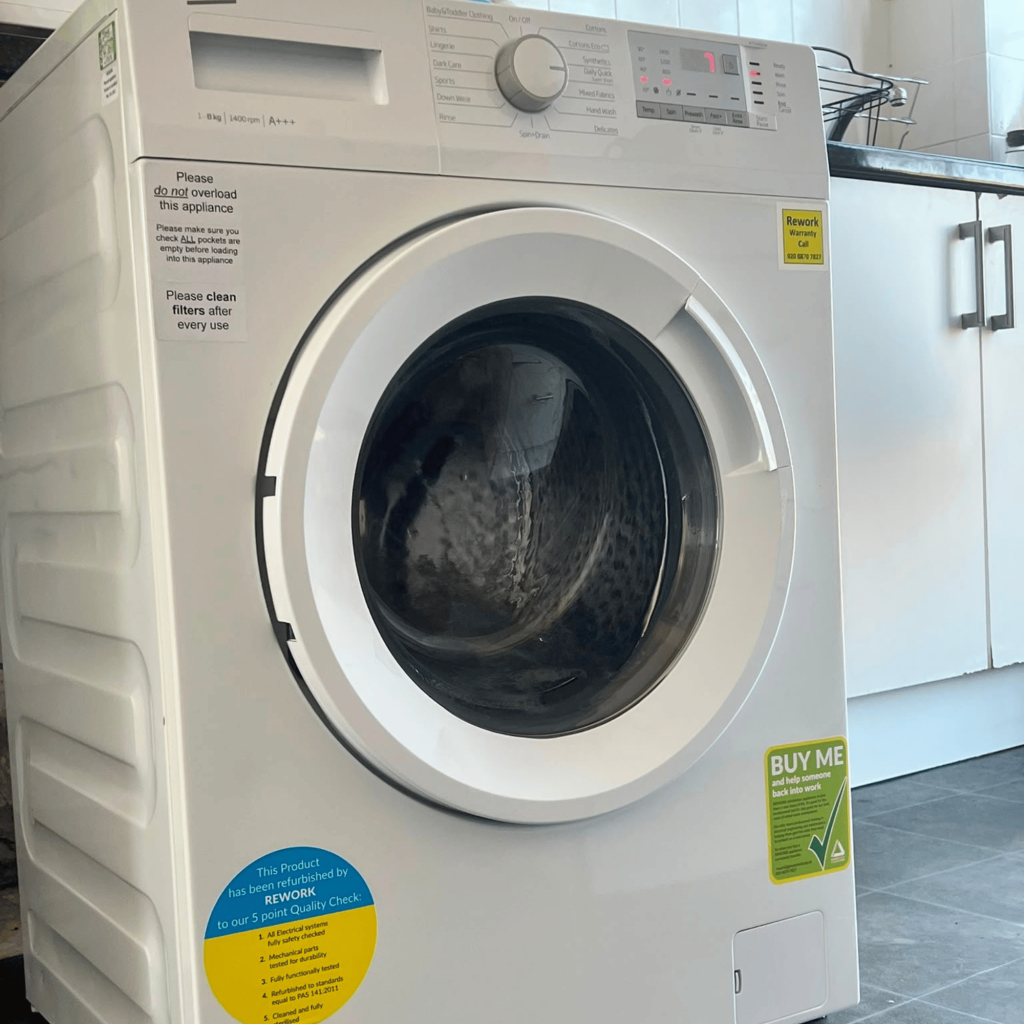
Thinking of buying a new TV, washing machine or dishwasher during summer sales?
Get an A or A+ rated model (and check it is a UK rating). Look for the ‘Energy Saving Trust’ logo. Then you know your appliances will be working as best as they can without excess energy waste.
DIY & Repairs
If you have been burning gas or coal fires, keep your chimneys clear, remove ash regularly, & ventilate your room well to reduce risks of Carbon monoxide poisoning. You can also grab CO monitors easily & inexpensively to give you piece of mind that your rooms are safe.
Make sure the boiler gets an annual check. This will help ensure it is working efficiently & safely. If the boiler is over 10 years old, it is worth considering replacing it with a more efficient model & all this is cheaper to do in the summer months. Boiler replacement or repair for more energy efficiency could save you up to £890/year.
As we have longer days which are more enjoyable to be in, it can be a good time to fix any of your energy concerns before you need them, or they become an issue. Noticed a cold draught coming from the loft or an external door? This might be the best time to get out the PVC or foam draught proofing strips and affix it properly with the door wide open whilst you don’t have to worry about letting the cold in – then by autumn you have one less problem and no more cold corridors!
Appliances
Top tip for summer (while the kids are at home)! Laptops, printers, and PCs use 9% of all annual electricity, so turn it off when not using and you could notice a savings of £147+ over the year. Or consider setting up a Power down unit for devices so they aren’t left on standby when not in use and costing you unnecessarily.
Making small changes to appliances will help them work more efficiently, and for longer. This saves money on your bills & upgrades such as avoiding overloading the fridge freezer, setting the fridge to 5°C, and cool food before putting it in the fridge.
Turn off lights! Especially now it is lighter in the evenings. Ensure they're only on where you are in the home, and don't leave them wasting your money! LEDs, battery & solar powered bulbs are great money savers too.
Cooking
We tend to use ovens less and cook on the stove for shorter amounts of time as we opt for colder foods, or quicker dinners which are all normal and useful ways to see lower energy usage in the summer. Precooking & batch meals are great for mid week meals.
You can batch cook multiple meals in the oven at once, so you make a few dishes but only using the oven once! You can also save energy when cooking by using alternatives to electric ovens, such as pressure cookers, air fryers, microwaves, and slow cookers! Ovens account for about 8.3% of the electricity consumed by electrical appliances in the home – so using them less in the summer has a big effect on the bills.
Saving Water
Install a water butt to make use of the free water provided by Mother Nature! Your plants prefer rainwater & if you save enough when there are warm days with less rain, you have a supply to draw from.
Did you know? You can reuse paddling pool water for up to 3 days! Remove bugs & bits then top up with some fresh water. Use an old bed sheet to cover the pool overnight to keep the water cleaner, this will help to warm it up in the early morning sun too!
Once the kids finished in the pool or it’s time to change the water, don’t send the water straight down the drain, reuse it to give your lawn/flowers a drink or pets a wash – they’ll enjoy it in the heat. In the home, use a bowl when you wash vegetables and use the water again to water your plants. Give excess kettle water that’s cooled down to pets.
Keeping Cool
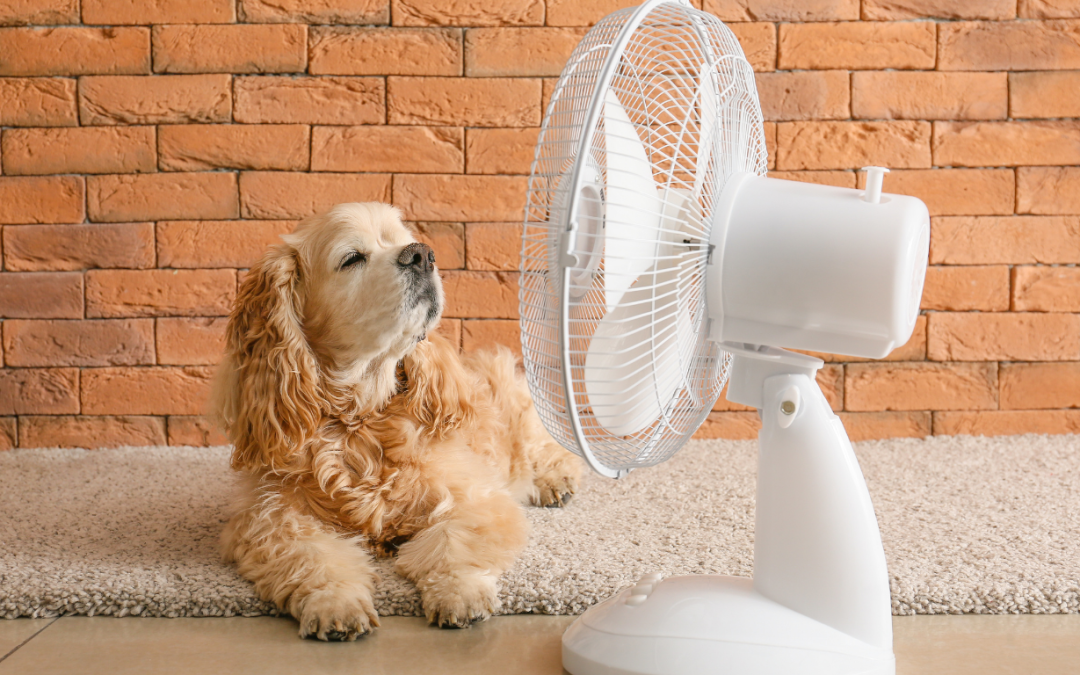
We may use storage heaters, fan heaters and dehumidifiers more sparingly as the cold and wet changes into warmer days. But remember that using fans to cool us when we get very hot days are also an expense, so it is best to invest in low energy ones. You can check how much items cost to run on sites like www.sust-it.net There are ways to keep cool without spending money: Freeze a 1 litre bottle of water, place a damp cloth over it & position in front of a fan so the air is cooled. At night freeze a hot water bottle for bed and dig out your 100% cotton bedsheets for maximum comfort. Remember to close sun facing curtains/blinds during the day & open them at night. Turn off non-essential electrical equipment as they generate heat. Lastly, place fans lower in the room to circulate cool air best.
Drying Clothes
Clothes can now be dried outside (~5-6 hours) or in a room with windows open but the door to the rest of the house closed. A heated clothes horse can help those without access to gardens. They use about 2 thirds less energy than a tumble dryer – just ensure you open vents or small gaps in windows to avoid encouraging excess moisture. If you want to dry a couple of items just hang them on your curtain pole - open your window slightly for your ventilation and any sunlight coming in will heat the clothes and dry them without impacting the room. If you can only use a tumble dryer, use tumble dry balls or even tennis balls in the barrel with the items. Tumble dryers work by creating air pockets and balls can help create the movement needed for these. This can reduce the energy usage & time needed in the dryer by 25%.
Damp & Mould
If you notice the mould and damp have reduced it could be an opportune time to resolve it for good. When there are fewer wet weather days, open windows more without feeling cold. The biggest reasons we get damp & mould in the home is excess moisture from normal usage like showers or cooking to larger problems like leaks, and poor ventilation meaning the damp has nowhere to go.
A deep clean with the right tools & personal protection plus a coat of anti-mould paint could help you fix the issue for 10+ years if done correctly. There are lots of handy 'how-to' online videos about what liquids to use and how to clean safely if you need extra guidance.
Powercuts
Preparing for power cuts which can happen more in summer is quite easy. Keeping connected – make sure you have a working mobile phone with change. Consider a back-up charger such as a power bank or solar charger. Keep all emergency contact numbers including friends, family & carers in a memorable place. Medical equipment – speak with your carer/doctor & create an emergency plan. Bath hoists – check with the manufacturer if yours has a fully sealed rechargeable battery pack. Consider getting torches and a battery radio for local updates. Stair lifts – does it have battery back-up power? Contact your manufacturer for info on getting one fitted. Check for a manual release handle to return the lift safely to ground level if it stops halfway between floors.
It’s also good to:
- Keep the fridge/freezer closed to protect the food ~15 hours
- Unplug any sensitive appliances while power's off
- Leave 1 light on so you know when power returns
- Use torches not candles
- Limit use of laptop/phones to retain battery
- Check in on elderly/ill neighbours